


Summer heat is one of the most underestimated threats to backyard chickens. While predators get all the attention, extreme temperatures can put a flock at serious risk within hours. The good news: a few smart setup choices — including the right automatic chicken coop door — can make all the difference between a stressed flock and a thriving one, even in the middle of a heat wave.
This guide covers everything you need to know about chicken coop heat management, from ventilation fundamentals to how automated door scheduling gives your hens the early-morning cool air they need most.
Quick Answer: How Do You Keep a Chicken Coop Cool in Summer?
The most effective approach combines four strategies: maximize natural cross-ventilation (especially during morning hours), provide constant access to cool water, reduce moisture buildup inside the coop, and use your automatic coop door to open before sunrise so hens can access cooler air at dawn — the most critical window for heat-stressed birds.
Understanding Chicken Heat Stress: What the Data Says
Chickens begin to experience heat stress when temperatures rise above 85°F. Unlike mammals, chickens can't sweat — they regulate temperature almost entirely through respiration (panting) and behavior (seeking shade, spreading wings). When coop temperatures exceed 95°F, egg production drops sharply. At 104°F and above, the risk of heat stroke becomes serious.
The most dangerous window is typically 10am–4pm, but the damage often begins overnight if a coop retains heat from the previous day. This is why morning ventilation — before the day heats up — is the single highest-impact intervention you can make.
Chicken Coop Ventilation: Principles That Work Year-Round
Cross-Ventilation Is King
Effective chicken coop ventilation requires air to enter from one side and exit from another, creating a flow rather than stagnation. Position vents or openings on opposite walls, and place the exhaust opening higher than the intake — hot air rises and will naturally escape upward.
Vent Area vs. Floor Area
A general rule of thumb: total vent area should be at least 1 square foot for every 10 square feet of floor space. In hot climates (USDA zones 7 and higher), double that figure for summer months. Mesh-covered openings on south and west walls provide daytime shade while still moving air.
The Coop Door as a Ventilation Tool
Here's something most flock owners don't realize: your coop's pop door — the small door your chickens use — is one of your most powerful ventilation levers. Opening it dawn allows cool morning air to flow through while hens are still roosting. This cools the coop on the coolest air of the day before temperatures spike. Doing this manually means setting an alarm at 5:30 AM every summer morning. A programmable automatic chicken coop door handles it while you sleep.
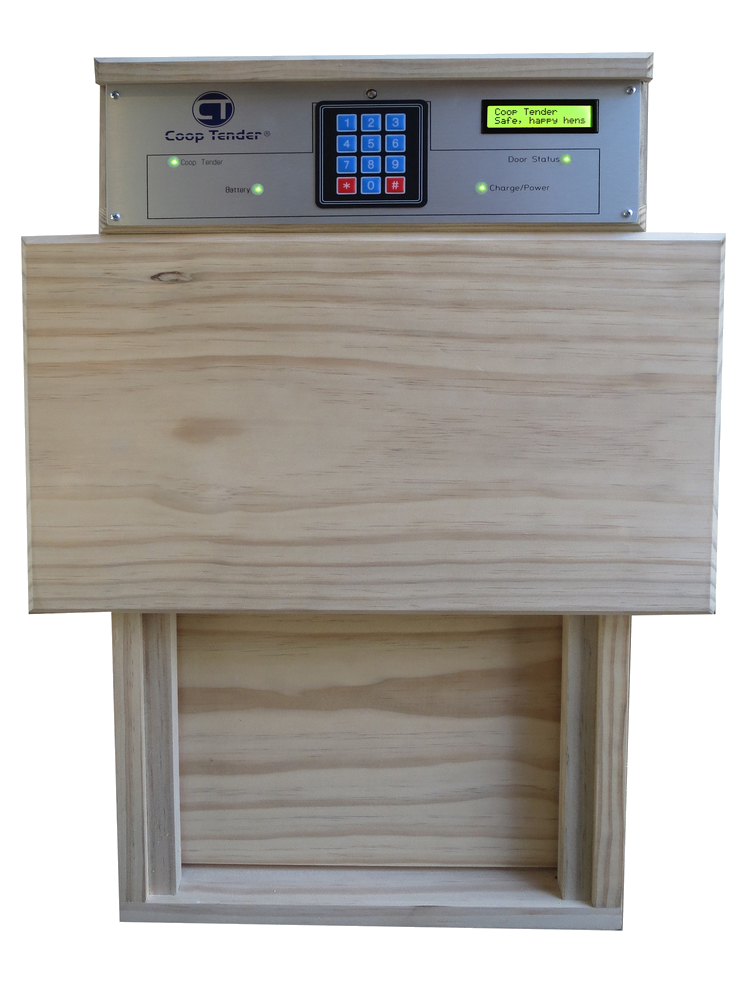
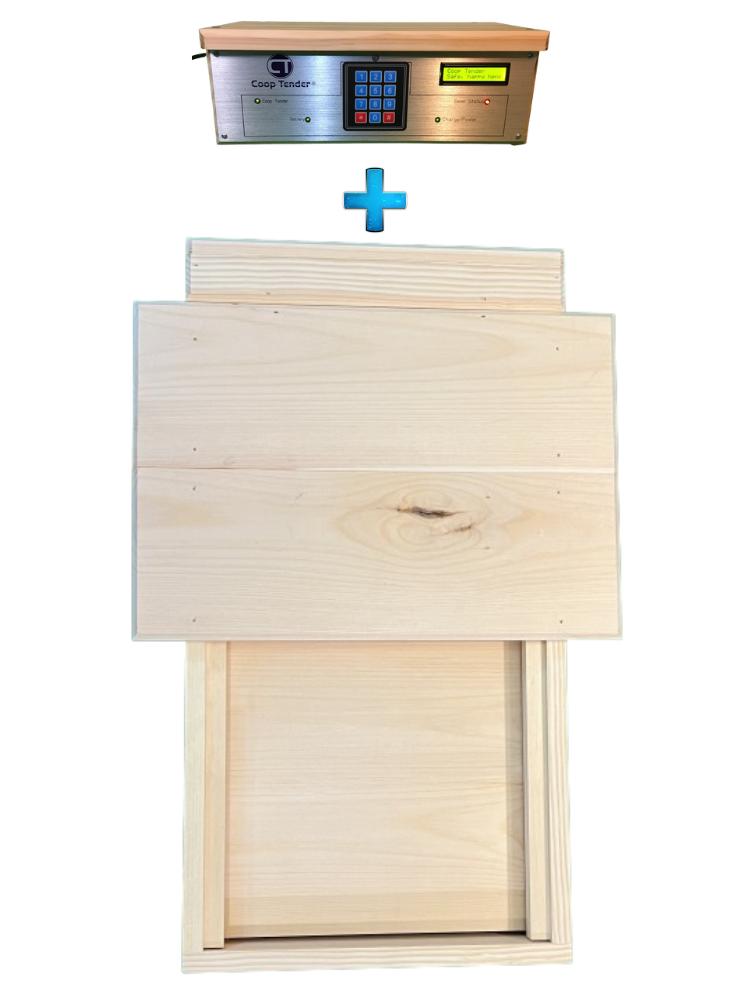
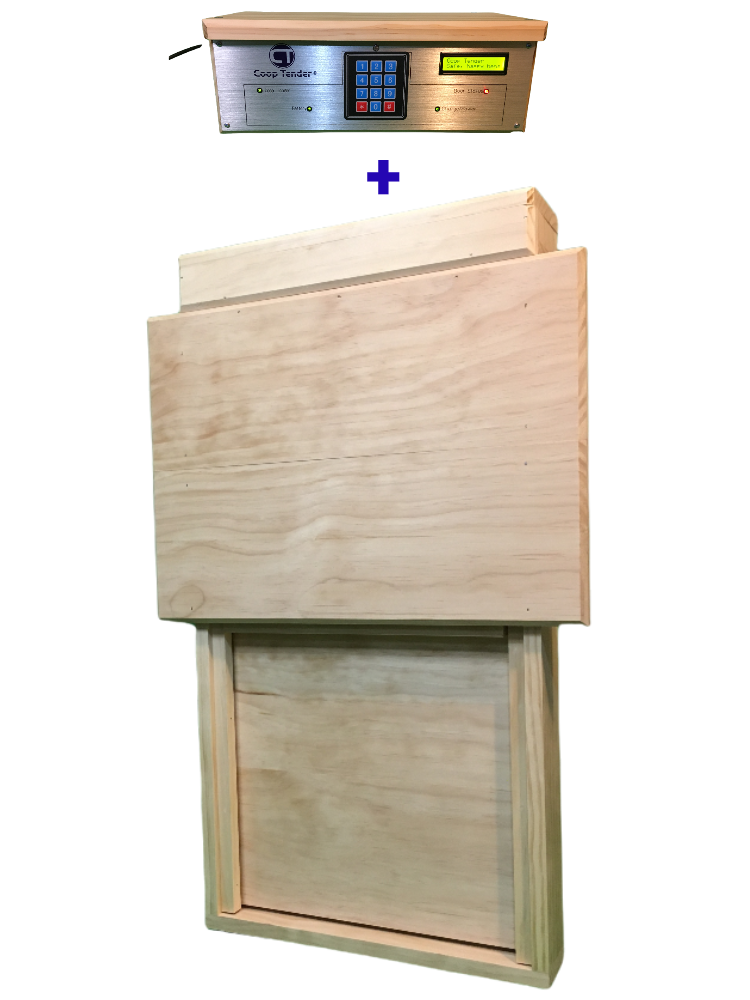
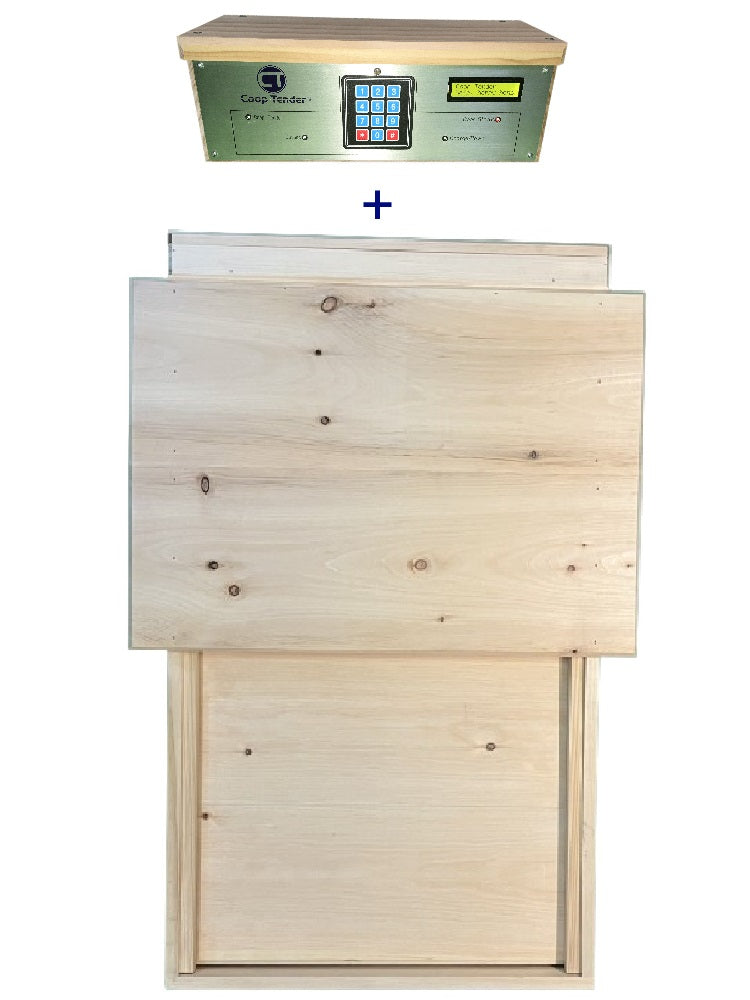
A larger door opening moves more air. Standard 10"×10" doors work well for most breeds; if you're running warmer climates or a mixed flock with larger birds, a 12"×12" or 15"×15" door provides meaningfully better airflow. Coop Tender's Extra Large 15"×15" door is a popular choice for hot-climate keepers who also want ventilation flexibility. For turkeys and geese, the 21"×18" Certified Humane door ensures birds aren't crowding the opening, which would restrict airflow.
Automatic Door Scheduling for Summer Heat Management
Coop Tender doors operate on either sunrise/sunset timing or a custom daily schedule — both are configurable from any browser, no proprietary app required. For summer heat management, here's the scheduling approach that works best:
- Dawn open: Set the door to open at Dawn. Hens access the run early, and cool air circulates through the coop before the heat builds.
- Midday close (optional): If you have a shaded run, consider leaving the door open throughout the day. If the run gets direct afternoon sun, a midday close (12pm–4pm) keeps birds inside in any shade the coop provides — combined with good ventilation, this can be cooler than an exposed run.
- Dusk close: Standard dusk close keeps birds locked in safely through the night as temperatures drop.
All scheduling adjustments take seconds via the Coop Tender WiFi web app — accessible from your phone, tablet, or computer. No proprietary app to download. See WiFi door options →
Solar Power and Summer Performance
Summer is actually the peak performance season for solar-powered chicken coop doors. With longer days and stronger sun angles, solar panels charge more completely and faster than any other time of year. Coop Tender's solar-capable doors include a battery backup so the door continues to function through cloudy stretches or storms — something that matters more in summer's volatile weather patterns.
A common question: does heat affect solar panel output? Interestingly, yes — extreme heat (above 95°F ambient) can slightly reduce solar panel efficiency. But Coop Tender's hybrid solar + AC design means you never lose door function regardless of panel performance. The door always operates. Learn about solar door options →
A small solar panel (typically 15-20 watts) charges a rechargeable battery throughout the day. The door motor draws power from this battery when opening and closing — which requires very little energy. A fully charged battery can operate the door for 1–2 weeks without any additional solar input, making summer performance highly reliable even during rainy periods.
Vacation and Travel Mode: Summer Peace of Mind
Summer is also peak vacation season. One of the most common questions Coop Tender gets: "What happens to my chickens when I travel?" The short answer: your automated door handles the daily routine, and you monitor everything remotely.
Coop Tender's WiFi-connected doors let you:
- Confirm the door opened and closed from anywhere in the world
- Manually override the door remotely if your travel schedule shifts
- Receive alerts if door activity falls outside expected parameters
- Adjust the schedule for different time zones if a pet sitter is helping
Combined with a reliable chicken sitter for feed and water, this setup means your flock stays on schedule even during a two-week trip. Explore WiFi-enabled doors →
Additional Summer Coop Tips That Work Alongside Automation
Shade First
No automation replaces adequate shade. If your coop gets direct afternoon sun on its west-facing wall, consider a reflective roof panel or shade cloth over the run. A coop that stays 10°F cooler because of shade is 10°F you don't need ventilation to compensate for.
Deep Litter in Summer
Contrary to some advice, a moderate deep litter depth (4–6 inches) helps insulate the floor from ground heat and provides microbial cooling through the composting process. In extreme heat, reduce litter depth to 2–3 inches to minimize heat retention.
Water, Always
Chickens can consume twice their normal water intake during heat waves. Multiple water stations, shaded where possible, prevent line-up stress that further raises body temperature. Frozen treats (watermelon, frozen corn) provide hydration and behavioral enrichment that reduces heat stress behaviors.
Breed Considerations for Hot Weather
Some breeds handle heat better than others. Leghorns, Andalusians, and Mediterranean breeds are naturally heat-tolerant; heavy-bodied breeds like Brahmas and Cochins struggle more. If you raise heat-sensitive breeds, consider the larger chicken door sizes — a 12"×12" or 15"×15" opening prevents bottlenecks when multiple birds want to access the cooler run at once.
For those raising turkeys alongside chickens: turkey coop doors require a minimum 21"×18" opening to allow comfortable passage without feather damage. Coop Tender's Certified Humane door is specifically sized for turkeys, geese, and commercial layer operations. See the 21"×18" Certified Humane door →
Frequently Asked Questions: Summer Chicken Coop Heat
Chickens become heat-stressed above 85°F. Coop temperatures above 95°F significantly reduce egg production, and temperatures above 104°F can cause heat stroke. The coop interior is typically 5–10°F warmer than outside air if ventilation is poor — prioritize airflow before shade.
Only if your run is fully predator-proofed. An automatic door is your primary predator barrier overnight. If you have hardware cloth (not chicken wire) on all sides, including the ground, a locked gate, and no evidence of predator pressure, some keepers leave the door open on the hottest nights. Most do not — the security trade-off is too significant. Instead, focus on ventilation: mesh vents higher on coop walls provide airflow overnight without compromising security.
Yes, significantly. The ability to precisely time the door's opening — including pre-dawn openings on the coolest morning air — is one of the most practical heat management tools available. Manual scheduling requires you to be present at 4:30–5:00am daily; an automatic door does it without fail, every day, regardless of your schedule.
Look for a door with precise scheduling capability, reliable operation in high temperatures (check that the motor and electronics are rated for heat), and solar power compatibility so you're not running extension cords in summer. Coop Tender's steel worm drive mechanism performs reliably in heat — unlike cable-and-pulley systems that can loosen in thermal expansion cycles. All Coop Tender doors are manufactured in Pennsylvania, USA, and carry a 3-year warranty. View all automatic door options →
Ready for a Worry-Free Summer?
Coop Tender automatic doors handle your flock's daily schedule so you can enjoy summer — whether you're in the backyard or across the country. Steel worm drive. Made in Pennsylvania. 3-year warranty.
Leave a comment