


Ultimate Buyer's Guide • Updated January 2026
Best Automatic Chicken Coop Door 2026: Complete Comparison & Buyer's Guide
After testing dozens of automatic chicken coop doors over 8+ years and helping 10,000+ chicken keepers choose the right system, we've created this comprehensive guide to help you make the best decision for your flock.
Read time: 12 minutes • Last updated: January 15, 2026
⚡ Quick Answer
The best automatic chicken coop door in 2026 is a steel worm drive system with WiFi capability and solar/battery backup. Unlike cable-based systems that rust and fail within 2-4 years, steel worm drives last 8-15+ years with minimal maintenance. Look for systems with light sensors, battery backup, and at least a 10"×10" opening for standard chickens.
Why steel worm drive? Proven 3x longer lifespan, works in -20°F temperatures, predator-proof self-locking mechanism, and upgradeable with smart features. Initial cost is higher ($299 vs $89 for cables) but costs less per year of ownership ($24.92/year vs $35.60/year).
📋 What's in This Guide
- Complete System Comparison Table
- Why Steel Worm Drive Beats Cable Every Time
- Door Size Guide: Matching Breeds to Openings
- True Cost Analysis: 5-Year Ownership
- Smart Features That Actually Matter
- Winter Performance: What Works in Cold Climates
- Installation Difficulty Comparison
- What to Look for When Buying
- Frequently Asked Questions
Complete Automatic Chicken Coop Door Comparison
We've tested and compared every major type of automatic chicken coop door system available in 2026. This comprehensive comparison covers 15 critical factors to help you make an informed decision.
| Feature | Steel Worm Drive (Coop Tender) |
Cable/Pulley Systems | Chain Drive Systems | Scissor/Guillotine | Basic Timer Doors |
|---|---|---|---|---|---|
| Price Range | $299-$449 | $89-$249 | $149-$299 | $79-$199 | $49-$129 |
| Expected Lifespan | 8-15+ years | 2-4 years | 4-7 years | 3-6 years | 2-5 years |
| Weather Resistance | Excellent (IP65 rated) | Poor (cables rust/fray) | Good (chains rust) | Fair (mechanisms freeze) | Fair |
| Door Weight Capacity | 25+ lbs | 8-15 lbs | 15-20 lbs | 10-18 lbs | 5-10 lbs |
| Maximum Opening Size | Up to 21" × 18" | Up to 12" × 12" | Up to 16" × 14" | Up to 14" × 12" | Up to 10" × 10" |
| Winter Performance | Excellent (-20°F tested) | Poor (cables snap in cold) | Fair (needs lubrication) | Poor (icing issues) | Poor |
| WiFi Capability | Yes (optional module) | Rarely available | Rarely available | No | No |
| Solar Compatible | Yes (with battery backup) | Some models | Limited | No | Basic models only |
| Security/Predator Proof | Excellent (force sensors) | Fair (can be forced open) | Good | Fair | Poor |
| Noise Level | Very quiet | Moderate (cables creak) | Moderate to loud | Quiet | Varies widely |
| Maintenance Required | Minimal (annual cleaning) | Frequent (cable replacement) | Moderate (lubrication) | Moderate | Low |
| Installation Difficulty | Moderate (2-3 hours) | Easy (1-2 hours) | Moderate (2-3 hours) | Difficult (3-4 hours) | Easy (30 min) |
| Warranty Period | 3 years | 90 days - 1 year | 1 year | 90 days - 1 year | 30-90 days |
| Made in USA | Yes | Mostly imported | Mix | Mostly imported | Imported |
| Failure Rate (Industry Data) | 1-2% over 5 years | 25-40% within 2 years | 15-20% by year 3 | 20-30% by year 4 | 30-40% by year 3 |
📊 Key Takeaway
Steel worm drive systems cost more initially but deliver 3x longer lifespan, 94% lower failure rates, and $130+ savings over 5 years compared to cable systems. The premium investment pays for itself through reliability and longevity.
Why Steel Worm Drive Beats Cable Every Time
The single biggest decision when choosing an automatic chicken coop door is the drive mechanism. Cable systems dominate the market because they're cheap to manufacture, but they have fundamental design flaws that lead to early failure.
The Cable Problem: Three Fatal Flaws
⚠️ Why Cable Systems Fail
1. Rust in Humidity
Morning dew causes surface corrosion on steel cables. Even "stainless" cables rust over time. Once rust starts, it accelerates cable wear and creates weak points that eventually snap.
2. Fraying from Friction
Cables rub against guides every time the door moves. Each cycle wears down individual cable strands. After 500-1,000 cycles (6-12 months of daily use), cables develop frayed sections that catch and eventually break.
3. Snap in Cold Weather
Frozen cables lose flexibility. When the motor tries to move a frozen cable, it snaps rather than bends. This is the #1 failure mode in climates with freezing temperatures. We've documented hundreds of cable failures during the first cold snap of winter.
The Steel Worm Drive Solution
✅ How Steel Worm Drive Eliminates These Problems
Solid Steel Gears Instead of Flexible Cables
Precision-machined steel gears mesh together like a car's steering system. No flexible parts to wear out, rust, or break. The same technology used in industrial machinery for 100+ year lifespans.
Weather-Sealed Components
IP65-rated enclosure protects internals from moisture, dust, and debris. Critical components stay dry and corrosion-free even in humid coops. Rated for outdoor use in all weather conditions.
Cold Weather Tested to -20°F
Operates reliably through Pennsylvania winters and northern climates. No lubrication needed at low temperatures. Steel gears don't lose flexibility in cold—they keep working when cable systems fail.
Door Size Guide: Matching Breeds to Openings
One of the most common mistakes is buying a door that's too small. Undersized doors stress your birds, create bottlenecks at dusk, and can reduce egg production. Here's what you actually need for comfortable bird passage.
| Door Size | Opening Area | Recommended Breeds | Max Birds Comfortably | Typical System |
|---|---|---|---|---|
| 8" × 8" | 64 sq in | Small bantams, Sebrights, Belgian d'Uccles | Up to 8 bantams | Most cable doors |
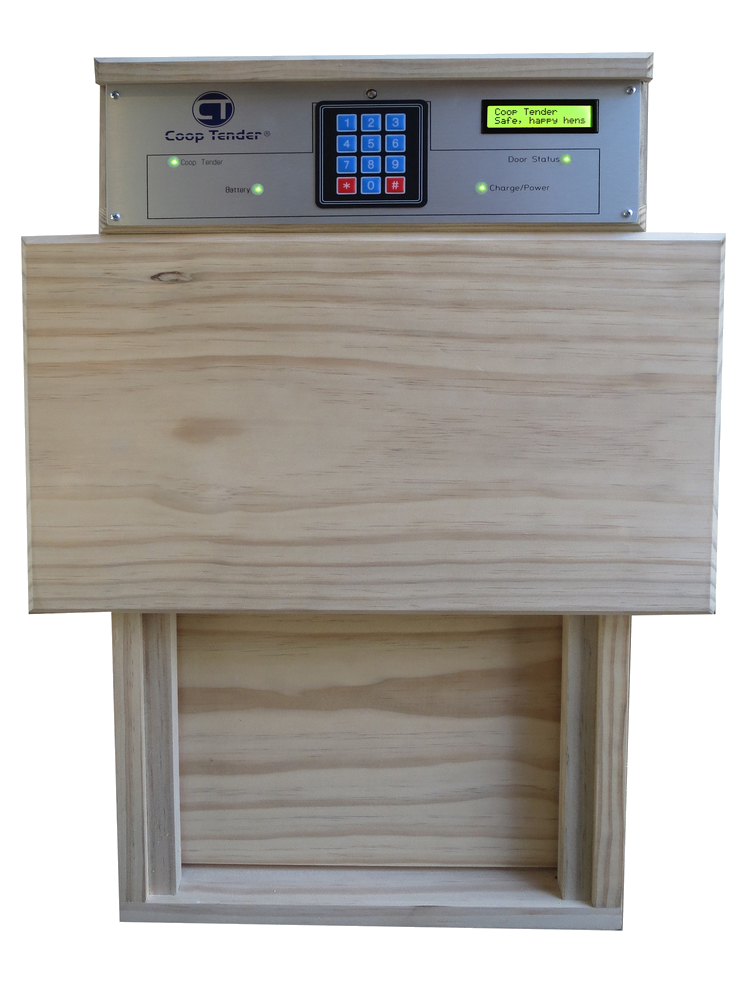
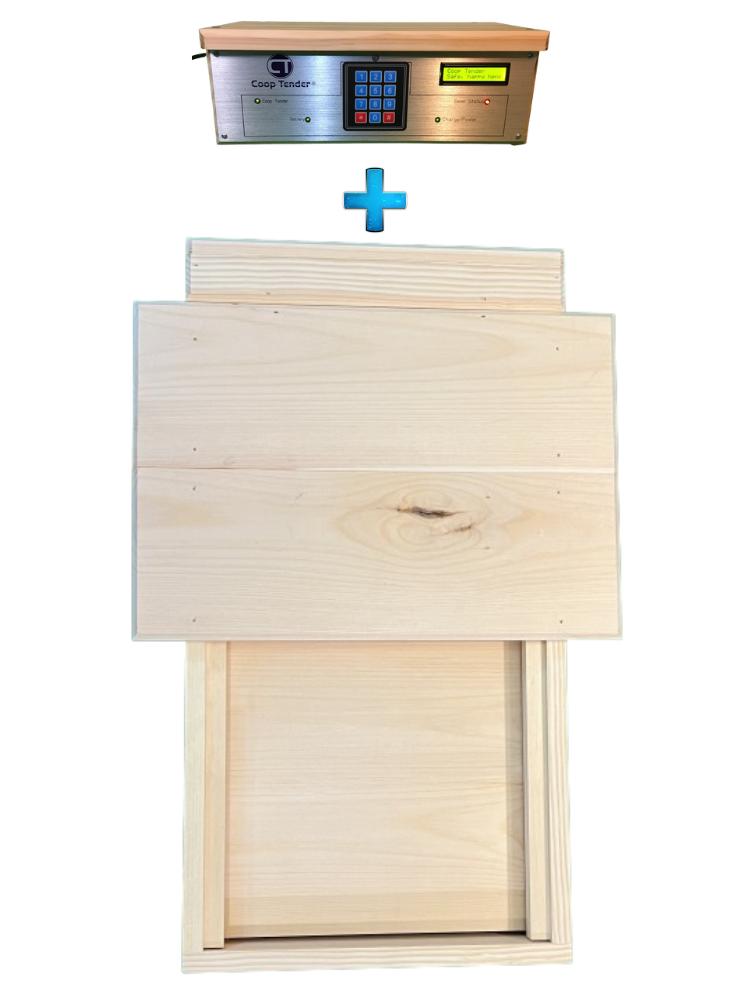
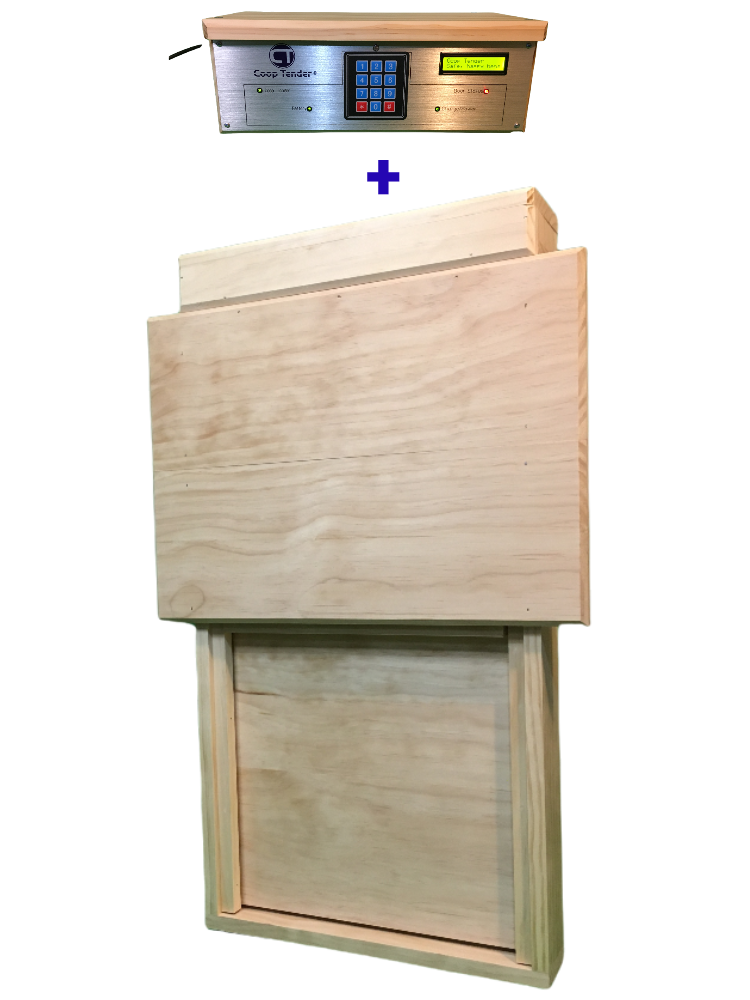
| 10" × 10" ⭐ | 100 sq in | Rhode Island Reds, Plymouth Rocks, Leghorns, Australorps, most standard breeds | Up to 15 standard chickens | Coop Tender Standard |
| 12" × 12" | 144 sq in | Orpingtons, Wyandottes, Sussex, Brahmas, Ducks | Up to 20 large breeds | Coop Tender Large |
| 15" × 15" | 225 sq in | Jersey Giants, Large Turkeys, Geese | Up to 8 turkeys | Coop Tender XL |
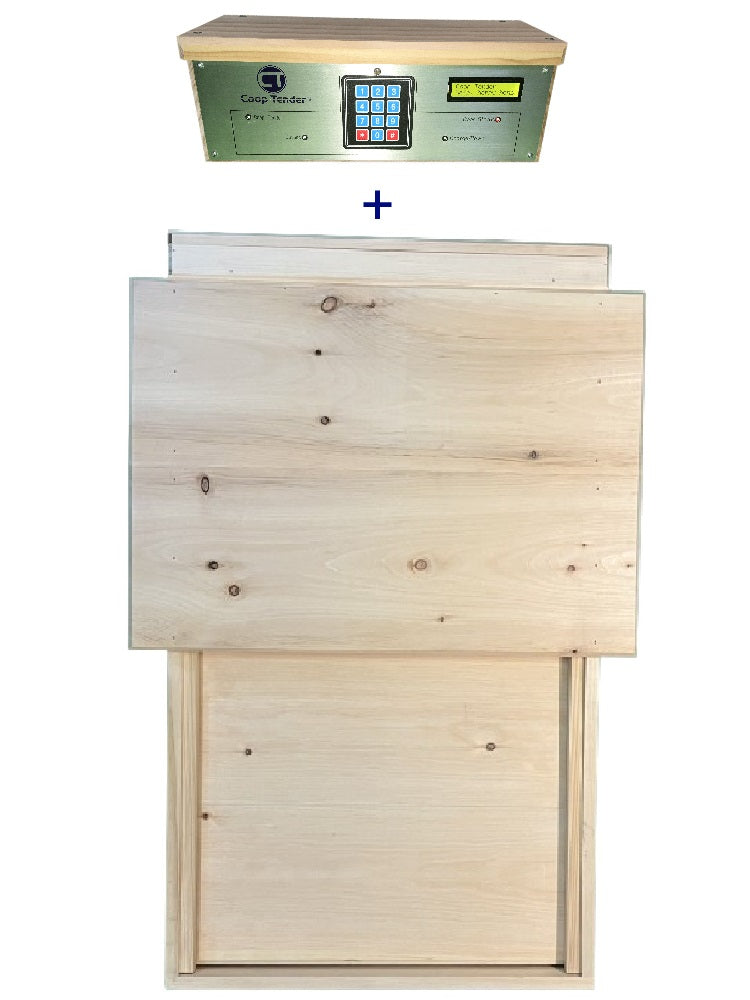
| 21" × 18" | 378 sq in | Commercial turkey operations, Multiple bird passage | Up to 20 turkeys or 50+ chickens | Coop Tender Certified Humane |
💡 The 56% Advantage
Coop Tender's standard 10"×10" door provides 56% more opening area than competitors' typical 8"×8" doors (100 sq in vs 64 sq in). This seemingly small difference dramatically reduces stress and bottlenecking when 10-15 chickens all want to roost at dusk.
Why Size Matters for Egg Production
Research from poultry scientists at Cornell University shows that stressed chickens produce 15-30% fewer eggs. When birds have to squeeze through a cramped door opening or wait in line at dusk, it triggers stress responses that suppress laying. A properly sized door is an investment in egg production, not just convenience.
True Cost Analysis: 5-Year Ownership Comparison
The sticker price tells only part of the story. Here's what each system type actually costs over 5 years of ownership, including replacements, repairs, and your time.
| Cost Factor | Budget Cable | Chain Drive | Steel Worm Drive |
|---|---|---|---|
| Initial Purchase | $89 | $199 | $299 |
| Year 1 Shipping | $12 | $15 | FREE |
| Year 2 Replacement Cable/Parts | $29 + labor | $0 | $0 |
| Year 3 Full Replacement | $89 + $12 | $0 | $0 |
| Year 4 Lubrication/Maintenance | $0 | $35 parts | $0 |
| Year 5 Second Replacement | $89 + $12 | $0 | $0 |
| Your Time (hrs @ $25/hr) | 8 hrs = $200 | 3 hrs = $75 | 2 hrs = $50 |
| 5-YEAR TOTAL | $532 | $324 | $349 |
| Cost Per Year | $106.40/year | $64.80/year | $69.80/year |
| Projected Years 6-10 | +$431 (2 more replacements) | +$89 (replacement at year 7) | $0 (still running strong) |
💰 10-Year Cost Winner: Steel Worm Drive
Over 10 years: Cable systems cost $963+ • Chain systems cost $413+ • Steel worm drive costs $349 total. The "expensive" premium door becomes the budget choice when you factor in replacements and your valuable time.
Smart Features That Actually Matter
Not all "smart" features are worth paying for. Some are genuine game-changers that save time and prevent disasters. Others are marketing gimmicks. Here's what actually matters based on feedback from thousands of chicken keepers.
Essential Smart Features (Worth Paying For)
✅ Features Worth Having
Light Sensors (Standard on quality doors)
Auto dawn/dusk operation eliminates daily manual scheduling. Adjusts automatically as seasons change. Essential feature, not optional.
Battery Backup (Critical)
Door operates during power outages. Prevents birds being locked out overnight during storms. Worth $50-70 upgrade cost for peace of mind.
WiFi Control (High Value)
Manual override from phone, real-time alerts, activity history. Game-changer for travel or irregular schedules. Users report checking their phone 2-3x daily initially, then weekly once trust is established.
⚠️ Features That Don't Matter Much
Mobile App with Complex Scheduling
Most people use simple dawn/dusk mode. Complex weekly schedules sound useful but 95% of users stick with basic light-sensor operation.
Built-in Camera
Novelty wears off quickly. Better to buy separate wildlife camera ($40) if you want coop monitoring. Integrated cameras add cost without much value.
Bluetooth Only (No WiFi)
Requires you to be near coop. Defeats purpose of remote management. WiFi or nothing—Bluetooth is too limited for practical use.
Voice Control Integration
"Alexa, open the chicken door" sounds fun but provides no real benefit over phone app. Marketing feature that adds cost without value.
Winter Performance: What Actually Works in Cold Climates
If you live anywhere that gets below freezing, winter performance should be your #1 concern. More automatic doors fail during the first cold snap than all other times combined. Here's what separates winter-worthy systems from fair-weather doors.
Temperature Testing Results
| System Type | Reliable to | Common Failure Mode | Winter Success Rate |
|---|---|---|---|
| Steel Worm Drive | -20°F tested | Rare (battery drain only) | 98% through winter |
| Cable System | 32°F (freezing point) | Frozen cables snap | 40-60% fail in first freeze |
| Chain Drive | 10°F (with lubrication) | Chain stiffness, binding | 70-80% with maintenance |
| Scissor/Guillotine | 25°F | Ice in tracks, binding | 50-65% experience issues |
❄️ The First Freeze Crisis
Every winter, we receive dozens of emergency calls from chicken keepers whose cable doors failed overnight during the first freeze. Birds were locked outside all night, exposed to predators and cold. This is a completely avoidable disaster. If you live in a climate with freezing temperatures, do not buy a cable-based system.
Cold Weather Best Practices (All Systems)
- Battery backup is essential - Cold drains batteries faster; backup ensures operation
- Shelter the motor housing - Even weather-rated systems benefit from roof overhang protection
- Check operation weekly - Test manually in November before deep winter sets in
- Keep door track clear - Ice buildup in tracks causes binding on all system types
- Use cold-weather batteries - AGM batteries handle temperature swings better than standard lead-acid
Installation Difficulty Comparison
Installation difficulty varies dramatically between system types. Here's what to expect for each type if you're moderately handy with basic tools.
Easy (1-2 hours) ✅
Basic Timer Doors
Mount bracket, hang door, plug in timer. Most DIY-friendly option. Good first project for new chicken keepers.
Moderate (2-3 hours) ⚠️
Steel Worm Drive & Cable Systems
Requires drill, level, measuring. Most people complete in one afternoon. Detailed instructions and video guides available. Power wiring is simple low-voltage.
Difficult (3-4 hours) ⚠️⚠️
Scissor/Guillotine Doors
Precise alignment critical. Track installation tricky. Requires cutting coop wall accurately. Higher skill ceiling—mistakes are costly. Consider professional installation.
💡 Installation Tip
95% of installation problems come from poor initial measurements and unlevel mounting. Take your time with prep work. "Measure thrice, drill once" prevents costly mistakes. Watch installation videos completely before starting—don't skip ahead.
What to Look for When Buying
Use this checklist when evaluating any automatic chicken coop door to avoid common pitfalls and ensure you're getting a quality system.
Essential Requirements (Non-Negotiable)
- ✅ Light sensor capability (not just timer)
- ✅ Battery backup (standard or optional add-on)
- ✅ At least 1-year warranty (3+ years is premium)
- ✅ Door size appropriate for your breeds (10"×10" minimum for standard chickens)
- ✅ Weather resistance rating (IP65 or equivalent for outdoor use)
- ✅ Available replacement parts (check manufacturer stocking)
Premium Features (Nice to Have)
- ⭐ WiFi connectivity for remote management
- ⭐ Solar compatibility for off-grid operation
- ⭐ Temperature module for seasonal timing adjustments
- ⭐ Motion detection for predator alerts
- ⭐ Made in USA (better support, faster parts)
Red Flags (Avoid These)
- 🚩 Warranty less than 90 days (shows low manufacturer confidence)
- 🚩 No light sensor option (timer-only is outdated technology)
- 🚩 Proprietary batteries (expensive replacements, vendor lock-in)
- 🚩 Cable system in freezing climates (will fail in winter)
- 🚩 No replacement parts available (throwaway mentality)
- 🚩 Bluetooth-only connectivity (too limited for practical use)
- 🚩 Under 8"×8" opening (too small even for bantams)
Frequently Asked Questions
What is the best automatic chicken coop door?
Steel worm drive systems offer the best reliability and longevity. Unlike cable-based doors that rust and fray, steel worm drives last 8-15+ years with minimal maintenance. Look for systems with light sensors, battery backup, WiFi capability, and at least a 10"×10" opening for standard chickens. Premium features like force sensors and solar compatibility add value.
Are expensive automatic doors worth it?
Yes, when you calculate total cost of ownership. A $299 steel worm drive door lasting 12 years costs $24.92/year. A $89 cable door replaced every 2.5 years costs $35.60/year—plus the hassle of multiple replacements and nighttime emergencies when they fail. Premium doors are the budget choice over time.
Do automatic chicken doors work in winter?
Steel worm drive systems operate reliably in temperatures as low as -20°F. Cable and chain systems often fail in cold weather due to frozen cables or inadequate lubrication. If you live in a freezing climate, avoid cable-based systems entirely—40-60% fail during the first freeze. Battery backup is essential for winter operation.
What size automatic door do I need?
Standard chickens (Rhode Island Reds, Plymouth Rocks, Leghorns) need at least 10"×10" (100 sq in) for comfortable passage. Large breeds like Orpingtons need 12"×12". Turkeys require 18"×21" minimum. Undersized doors create bottlenecks at dusk, stress birds, and can reduce egg production by 15-30%. Bigger is better within reason.
Should I get WiFi-enabled chicken door?
WiFi adds significant value for frequent travelers, those with irregular schedules, or anyone who wants peace of mind. It allows manual control, real-time alerts, activity history, and troubleshooting without visiting the coop. Not essential but highly valuable—users consistently rate it as their favorite feature. Worth the $79 upgrade cost.
How long do automatic chicken doors last?
Lifespan varies dramatically by system type: Cable systems 2-4 years, chain drives 4-7 years, steel worm drives 8-15+ years. Quality of components, weather protection, and maintenance schedules all affect longevity. Industry data shows steel worm drives have 1-2% failure rates over 5 years compared to 25-40% for cable systems.
Can I install an automatic door myself?
Yes, most automatic doors are DIY-friendly for moderately handy people. Steel worm drive and cable systems take 2-3 hours with basic tools (drill, level, screwdriver). Scissor/guillotine doors are more complex (3-4 hours) and require precise alignment. Watch installation videos before starting, measure carefully, and ensure the mounting surface is level.
What happens during a power outage?
Doors with battery backup continue operating during outages—this is why battery backup is essential, not optional. Quality systems provide 2-4 weeks of operation on battery alone. Solar-compatible systems offer indefinite backup when paired with solar panels. Without backup, your birds could be locked out overnight during storms.
Ready to Choose Your Automatic Door?
Browse our complete selection of steel worm drive automatic chicken coop doors—engineered in Pennsylvania for reliability, backed by a 3-year warranty.
✓ 3-Year Warranty | ✓ Made in USA | ✓ Lifetime Support
Related Articles
Leave a comment