


Spring feels like a season of renewal — longer days, warmer mornings, and the satisfying rhythm of chickens back on pasture. But for backyard flock owners, spring also marks the beginning of the most dangerous predator window of the year. Foxes and raccoons become dramatically more active starting in March, and that increased activity lands squarely in your backyard.
Understanding why these animals are more aggressive in spring — and how a predator proof chicken coop door stops them — is the single most important thing you can do to protect your flock right now.
Why Spring Triggers a Surge in Predator Activity
The uptick isn't random. Three overlapping biological pressures push foxes, raccoons, and other predators into greater conflict with backyard flocks every spring.
1. Mating Season Increases Territorial Range
Red foxes typically mate from January through March, with kits born in March and April. During this period, male foxes dramatically expand the territory they patrol, traveling distances they wouldn't cover during other seasons. A fox that spent all winter hunting a woodlot a half-mile from your property may be actively scouting your yard by mid-March. Female foxes are simultaneously searching for reliable food sources close to their den sites — making your coop an attractive, predictable target.
Raccoons follow a similar pattern. Breeding peaks from late January through mid-March, and by late March, pregnant females are building up fat reserves to support a litter of four to six kits. The hunger drive during this period is intense, and raccoons that were content foraging at the edge of a pond all winter will probe every available food source — including your coop.
2. Young Animals Are Newly Independent and Inexperienced
Foxes born the prior spring are dispersing from their mother's territory between January and April of the following year. These young adults are bold, curious, and still learning what they can and cannot get into. Inexperienced young foxes are responsible for a disproportionate share of spring flock losses precisely because they haven't yet developed the caution of older animals. They'll test a coop door repeatedly until they find a weakness — or until there isn't one to find.
Raccoon kits from the previous year are similarly venturing out independently. Young raccoons are famously persistent problem-solvers, and a coop with a cable-based door or a simple latch presents them with exactly the kind of manual challenge they're motivated to work through.
3. Winter Food Reserves Are Gone
By March, the natural food supply that sustained predators through fall and winter is depleted. Mast crops — acorns, berries, cached food stores — have been consumed. Small prey populations are at their annual low point. Meanwhile, the protein-rich, easy-to-locate chickens in your backyard are an obvious solution to a hungry predator. This combination of heightened hunger and reduced natural alternatives makes spring the highest-risk season for flock losses.
How Foxes Attack a Chicken Coop
Foxes are fast, agile, and surprisingly strong for their size. Their primary technique is digging under coop perimeter fencing, but they are also capable of pulling open unsecured doors and squeezing through openings as small as four inches. A fox will typically test a coop at dusk or dawn — the same transition windows when a coop door is opening or closing.
This timing is particularly relevant to automatic door owners. A door with a slow close cycle, a cable mechanism that can be manually forced, or a door that doesn't fully seat in its frame creates a brief window of vulnerability that a persistent fox will exploit over multiple nights.
Foxes will also return to a location where they previously found food. A single successful raid dramatically increases the risk of follow-on attacks.
How Raccoons Attack a Chicken Coop
Raccoons are the more technically sophisticated threat. Their dexterous front paws give them the ability to manipulate latches, lift cable-based doors from the bottom, reach through wire mesh, and unfasten simple hook-and-eye closures. A raccoon that discovers chickens roosting behind a door it can physically move will return every night until it succeeds or is permanently stopped.
Unlike foxes, raccoons tend to operate in the middle of the night, well after chickens have settled into the coop. By the time a raccoon arrives, your door needs to be fully closed and mechanically secure — not just resting in position.
Raccoons also cause significant stress-related harm beyond direct kills. Chickens that hear or smell a raccoon working on the door overnight will experience fear responses that suppress laying and can lead to secondary health problems, even when the door holds.
What Makes a Chicken Coop Door Truly Predator Proof
The phrase "predator proof chicken coop door" is used loosely in the industry. Not every automatic door earns the designation. There is a meaningful engineering difference between a door that is inconvenient for a predator and one that is mechanically impossible for them to defeat.
The Problem with Cable-Based Doors
Many automatic coop doors on the market use a cable-and-pulley mechanism to raise and lower the door panel. The core weakness is that cables can be pulled. A strong, motivated raccoon or fox can apply upward force to the bottom of a cable-lifted door and physically overcome the holding tension of the cable. This is not a theoretical vulnerability — it's a well-documented failure mode reported regularly by backyard flock owners.
Cable systems also suffer from mechanical wear over time, particularly in cold weather when cables contract, fray, or slip from their guides. A cable that works perfectly in October may fail in March — precisely when spring predator pressure is peaking.
The Steel Worm Drive Difference
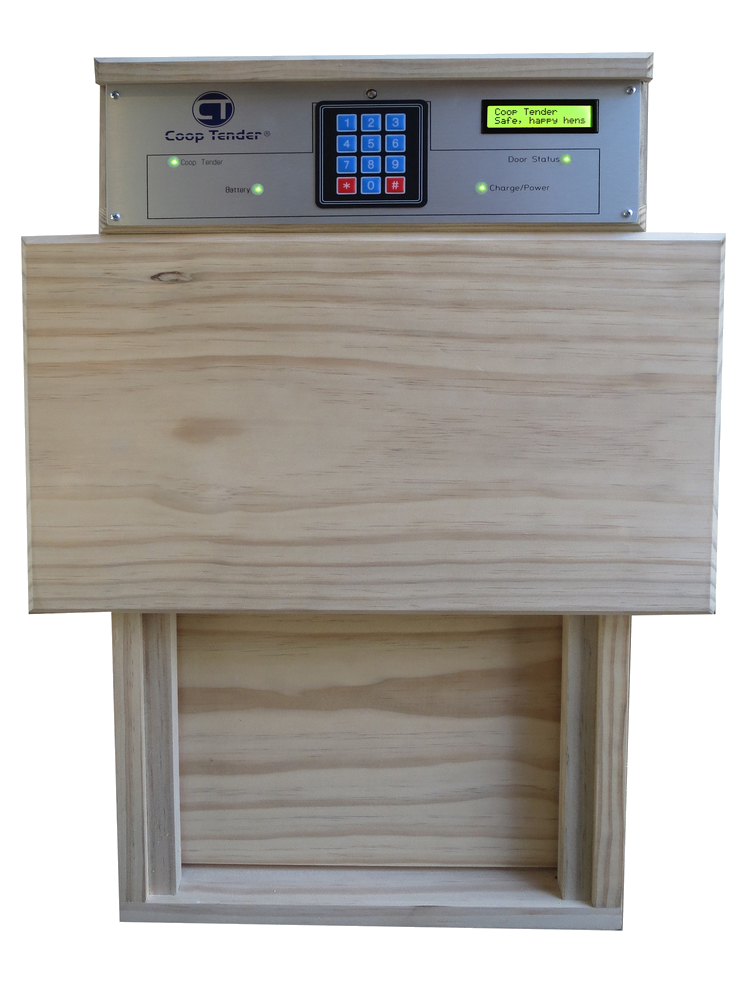
Coop Tender doors use a solid steel worm drive mechanism rather than cables. A worm drive is a specific type of gear set where a screw-shaped gear (the worm) meshes with a toothed wheel. The mechanical property that makes it ideal for predator protection is its inherent non-back-drivability: force applied to the output side of the drive cannot be transferred back through the mechanism. In practical terms, this means a raccoon pushing up on the door, a fox pulling at the bottom, or any lateral force a predator can physically apply will not move the door. The worm drive holds position mechanically, not through friction or cable tension.
This is the same mechanical principle used in self-locking hoists and elevator brakes — applications where the consequences of unintended movement are severe. For a predator proof chicken coop door, it means the door stays exactly where it was positioned, regardless of what is working on the other side.
The solid steel construction of the drive components also eliminates the weather-related wear that shortens cable system lifespans. The mechanism that closes your door in March will perform identically in year five and year ten.
Reinforcing Your Spring Predator Defense
A secure automatic door is the most critical element of coop protection, but a layered defense strategy provides the best spring-season outcomes.
Confirm Your Close Schedule Is Set for Current Sunset Times
Daylight saving time and rapidly lengthening days in March and April mean your coop door schedule from winter may now be closing after chickens are already exposed at dusk. Review your close timing at least every two weeks through April. Coop Tender's dawn/dusk sensor automatically adjusts to changing light levels, but if you're running a time-based schedule, confirm your settings reflect current sunset times in your area.
Inspect Your Coop Perimeter
Spring thaw often reveals frost heave damage to hardware cloth, gaps that opened at post bases, and areas where predators have begun exploratory digging. Walk the perimeter of your run and coop in early March before peak predator activity begins. Pay particular attention to corners and anywhere the ground meets the wall, as these are the digging entry points foxes favor.
Consider the Coop Tender Predator Motion Detector
An automatic door closes the reactive gap — it ensures the door is shut — but it doesn't tell you when a predator is present. The Coop Tender Predator Motion Detector connects directly to the WiFi module and monitors for infrared movement around your coop after the door closes. When motion is detected, it sends an alert to your phone via the Coop Tender web app. You'll know within minutes if a fox or raccoon is working on your coop at 2 a.m. — and you can respond accordingly.
The detector arms automatically when the door closes and disarms when it opens, so you receive alerts only during the overnight window when chickens are at risk. Sensitivity is adjustable from the web interface to distinguish between larger predators and small animals like mice or sparrows.
Eliminate Attractants Near the Coop
Spilled feed, open compost, and water sources near the coop are secondary attractants that increase the frequency of predator visits. A fox or raccoon drawn to the area by food scraps will inevitably investigate the coop. Moving feeders inside the coop, securing compost bins, and trimming vegetation that provides cover within a few feet of the coop all reduce your overall predator exposure during the high-activity spring period.
WiFi Monitoring Gives You Real-Time Visibility
One of the hidden advantages of a connected automatic door during spring predator season is remote visibility. With Coop Tender's WiFi module, you can confirm door status from anywhere — whether you're at work, traveling, or simply inside the house. If a power event, sensor issue, or unusual condition prevents the door from closing, you'll receive an alert rather than discovering the problem the next morning.
Spring storms, which are common across much of the U.S. from March through May, can cause brief power interruptions that affect electric door systems. Coop Tender doors with battery backup maintain operation through outages, and the WiFi module logs door events so you can review what happened during any overnight window.
Is Your Coop Door Ready for Spring?
If you already have a Coop Tender door installed, spring preparation is straightforward: confirm your schedule settings reflect current daylight times, inspect the door panel and track for any debris that accumulated over winter, and verify your battery backup is holding a charge. The steel worm drive mechanism itself requires no maintenance — it's the same drive that will protect your flock for the next decade.
If you're still relying on a manual latch, a cable-based door, or an older system that shows wear, spring predator season is the highest-stakes time to make a change. The combination of hungry foxes, motivated raccoons, and rapidly shifting dusk times creates a genuine threat window that runs from now through mid-May.
A predator proof chicken coop door with a solid steel worm drive eliminates the mechanical vulnerability that predators exploit. Paired with a motion detector and WiFi monitoring, it gives you complete, automated protection without requiring you to be present at the coop every morning and evening.
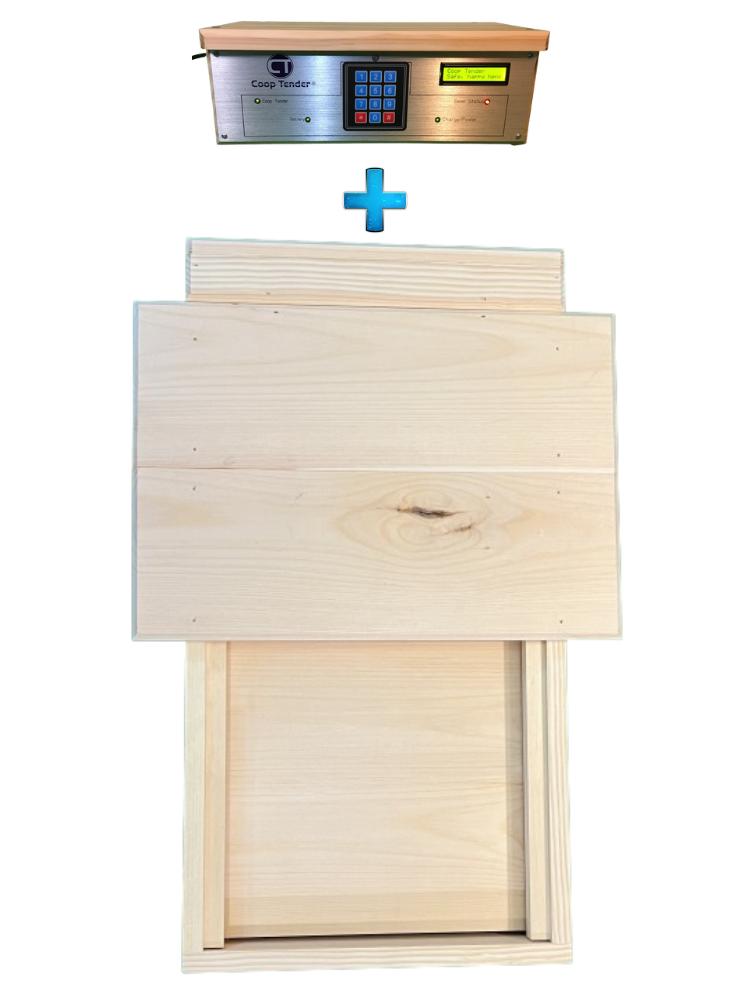
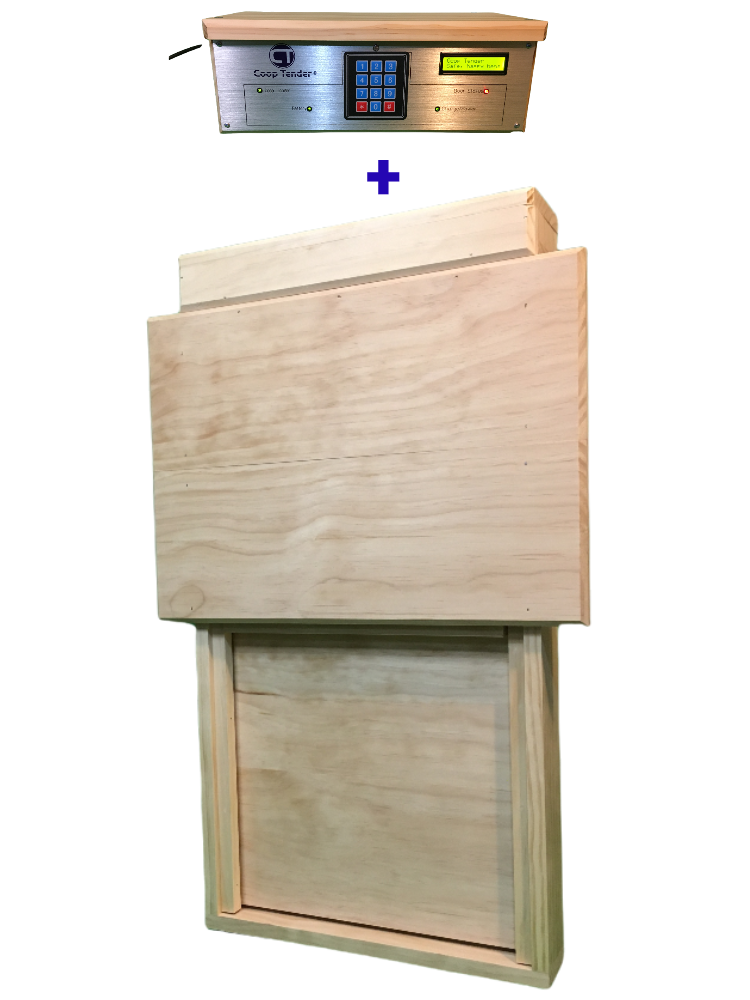
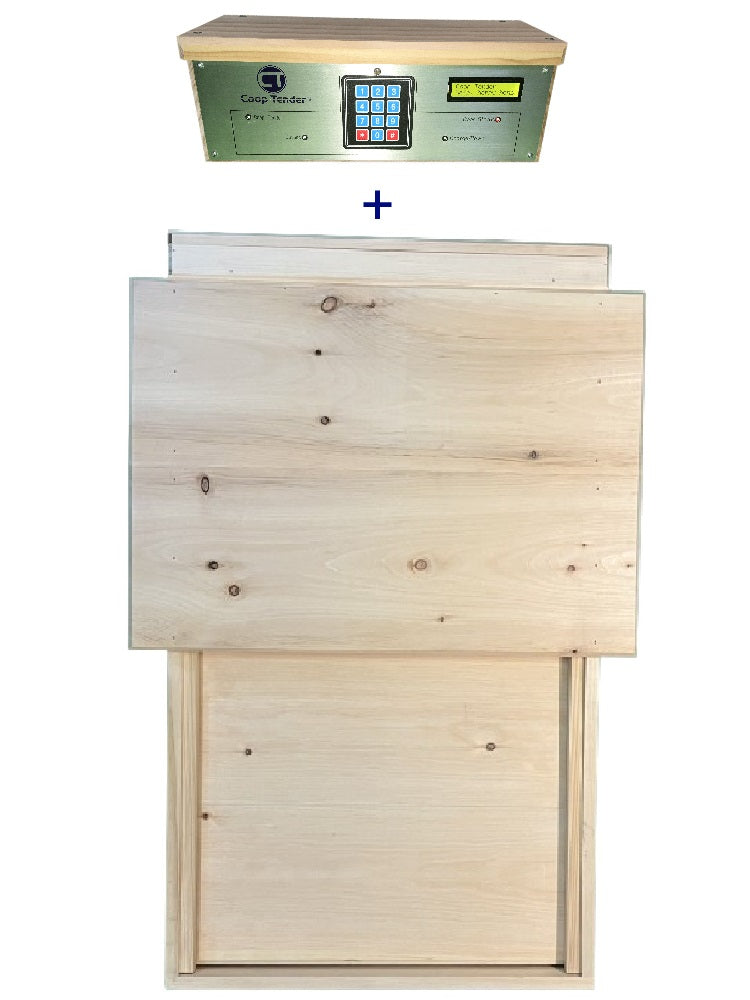
Explore Coop Tender automatic door systems — available in four sizes to fit any flock, with electric, solar, and WiFi configurations to match your setup.
Frequently Asked Questions: Spring Predator Protection
When is predator risk highest for backyard chickens?
Spring (March through May) and fall (September through October) represent the two peak predator risk windows. Spring is driven by mating season activity and young animals dispersing; fall is driven by predators building fat reserves for winter. Dawn and dusk — when coop doors are transitioning — are the highest-risk times of day year-round.
Can a raccoon open an automatic chicken coop door?
Raccoons can open cable-based automatic doors by applying upward force to the door panel, which overcomes the cable's holding tension. A worm-drive-based door, such as the Coop Tender, is mechanically non-back-drivable — force applied from the outside cannot move the drive mechanism, making it impossible for a raccoon to open through physical manipulation.
What is the most predator-resistant automatic chicken coop door?
Doors using a solid steel worm drive mechanism provide the highest mechanical resistance to predator force. Unlike cable, belt, or friction-based systems, worm drive doors cannot be physically forced open from the outside. Coop Tender automatic doors are built on this principle and have been in use for over ten years in confirmed predator-active environments.
How do I know if a predator is visiting my coop at night?
Signs include scratching or digging marks around the coop base, feathers near the door or perimeter, disturbed bedding visible through gaps, and stressed or reduced-laying hens with no other explanation. The Coop Tender Predator Motion Detector provides real-time overnight alerts so you know the same night rather than discovering evidence the following morning.
Should I change my automatic door schedule in spring?
Yes, if you're running a time-based schedule. Spring daylight extends rapidly — roughly two to three minutes per day in March and April at mid-latitudes. A close time set in February may leave your door open 20–30 minutes past actual dusk by late April. Review your schedule every two weeks, or switch to dawn/dusk sensor operation, which adjusts automatically to seasonal light changes.
Leave a comment