


Spring is the most exciting season in the backyard poultry world. Whether you're welcoming a new flock of chicks, expanding with egg-laying hens, or raising heritage turkeys for fall, late February through April is the window when everything changes — days get longer, predators grow bolder, and your coop needs to be ready.
If you have an automatic chicken coop door, spring is also the time to recalibrate it for the season ahead. And if you've been considering making the upgrade, the weeks before your new chicks arrive is the ideal time to install one. This guide covers everything you need to do before spring hits full stride.
Why Spring Coop Preparation Matters More Than You Think
Most chicken keepers think of fall as the critical prep season — and it is, for cold weather. But spring brings its own set of challenges that can catch even experienced flock owners off guard:
• Predator activity surges. Foxes, raccoons, weasels, and hawks are all actively hunting in spring — feeding newborns and establishing territories. A door left open even one night can cost you your entire flock.
• Daylight changes rapidly. From late February through the end of April, sunrise gets earlier by roughly two to three minutes per day. A static timer-based door will quickly fall out of sync with actual daylight unless it uses a light sensor or is updated regularly.
• New chicks have different needs. Baby chicks need a smaller opening at first, or supervised access, until they're large enough that the door won't harm them.
• Breeding season brings behavioral changes. Hens and roosters are more active and territorial — a reliable automatic door keeps your routine consistent even when flock dynamics are unpredictable.
Step 1: Check Your Door Size for Your Spring Flock
Before anything else, confirm your automatic door opening is the right size for the birds you're raising. This is the question we hear most often from new chicken keepers, and the answer depends on breed.
|
Bird Type |
Min. Door Width |
Min. Door Height |
Recommended Coop Tender Model |
|
Bantam breeds (Silkie, Serama) |
6" |
8" |
|
|
Standard layers (Plymouth Rock, Rhode Island Red) |
8" |
10" |
|
|
Large breeds (Jersey Giant, Brahma) |
10" |
12" |
|
|
Turkeys (standard breeds) |
12" |
15" |
|
|
Heritage turkeys, broad-breasted |
20" |
18" |
If you're raising baby chicks and your door opening is sized for adult hens, there's no need to replace the door. Simply delay automated operation until chicks are at least 8–10 weeks old and large enough to move safely through the opening. Keep the door on manual or permanently closed during the brooding phase.
|
Quick Answer: How Big Should a Chicken Door Be? The general rule: a chicken coop door should be at least 10" wide x 10" tall for standard laying hens, and 12" wide x 12" tall for larger breeds like Brahmas or Jersey Giants. For turkeys, plan for a minimum of 14" wide x 15" tall for standard breeds, and 16" x 18" for heritage breeds like Bronze or Narragansett. When in doubt, size up — a slightly larger door is always better than one birds have to squeeze through. |
Step 2: Recalibrate Your Door Schedule for Spring Daylight
This is the step most automatic door owners skip — and it's the one that can leave your flock locked in the coop at sunrise or vulnerable after dusk.
If your Coop Tender door uses light sensor (dusk-to-dawn) mode, you're in luck: the door automatically adjusts as daylight hours change. No action needed. But even with light-sensor doors, spring is a good time to review a few settings:
• Dusk-To-Dawn: As days get brighter earlier, you may need to adjust Dawn Delay if you want to be up when your chickens come out of the coop.
• Schedule: If you use schedule mode, update both open and close times. From the spring equinox (March 20) onward, sunrise moves earlier by 2–3 minutes per week. By May 1, sunrise is typically 30–45 minutes earlier than it was in late February depending on your location.
• WiFi App Scheduling: Coop Tender WiFi door owners can update schedules directly from the app without touching the unit. Spring is a good time to be diligent in updating scheduled door operation since daylight shifts rapidly.
Step 3: Spring Maintenance — The 15-Minute Coop Door Checkup
Winter is hard on mechanical systems. Before the busy spring season, run through this quick inspection to make sure your automatic door is in top shape:
Motor and Drive Mechanism: With Coop Tender's steel worm drive, there's no cable to fray or snap — but it's still worth a visual check. Look for feather debris, bedding and dirt that may have accumulated on the worm drive over winter.
Door Track: Clear any poop, mud, or bedding material from the door tracks. A clean track prevents binding and ensures smooth operation.
Solar Panel: If you have a Coop Tender solar system, wipe the panel clean of winter grime, bird droppings, and dust. Even a thin film of debris can reduce solar output by 15–20%. Angle-adjust if needed — the sun's path is higher in spring.
Door Seal: Check that the door closes with a small gap at the bottom. A warped or misaligned door is a predator's invitation. Tighten any mounting hardware that may have shifted over winter.
Step 4: Spring Predator Protection — Know What You're Up Against
Spring predator pressure is different from winter. In winter, starving predators are desperate. In spring, they're motivated and strategic — hunting to feed young. Here's what's active in the March–May window:
• Red Foxes and Coyotes: Females are nursing kits and pups from March onward. This dramatically increases hunting frequency, especially at dawn and dusk — exactly when your door is transitioning.
• Raccoons: Raccoons with young kits become exceptionally bold in spring. They're strong enough to force poorly designed doors, manipulate latches, and dig under coop walls.
• Weasels and Mink: These small predators are active year-round but increase in spring. They can squeeze through openings as small as 1 inch — the gap between a poorly sealed door and its frame.
• Hawks and Owls: Nesting pairs in spring need to feed fledglings, making aerial predation more frequent. While your automatic door doesn't protect against aerial attack, keeping birds locked in during low-light periods eliminates the highest-risk window.
Coop Tender's automatic doors address the single most common cause of predator loss: human error. The door closes automatically at dusk — even when you forget, even when you're away, even when the spring thunderstorm hits at 9 PM and you're not going back outside.
Step 5: Preparing for New Chicks — A Special Note for New Flock Owners
If this is your first spring with backyard chickens, the arrival of day-old chicks is one of the most exciting moments in the journey. Here's how an automatic door fits into the picture:
• Don't install and automate immediately: Chicks spend their first 4–6 weeks in a brooder box, not in the coop. Your automatic door won't be needed until they're ready to transition outside.
• Transition at 8–10 weeks: Most standard laying breeds are fully feathered and ready for outdoor access by 8–10 weeks, depending on nighttime temperatures in your area.
• Supervise the first week of automated operation: Let your new flock get comfortable moving through the door opening before activating fully automatic mode. Some birds take a day or two to learn the routine.
• Consider the WiFi door for new flock peace of mind: Coop Tender's WiFi model lets you check door status and manually open or close from your phone — perfect for new keepers who want to monitor remotely during the adjustment period.
The Right Time to Upgrade Is Before You Need It
If you've been manually closing your coop door every night — or relying on a cable-based automatic door that freezes up, snaps cables, or needs constant adjustment — spring is the best time to make the switch to Coop Tender.
Installing before the new flock arrives means you can get the door dialed in, test all the settings, and have everything running smoothly before it really matters. Installing in a rush after a predator loss — or worse, after you've had to go out in a spring storm at midnight — is a much harder experience.
Coop Tender's steel worm drive mechanism is the core of why this door is different. There are no cables to snap, no sliders to jam, and no plastic gears to strip in cold weather. The same door that sailed through winter is ready to keep your spring flock safe from day one.
Spring Setup FAQ
Q: How do I adjust my Coop Tender door for daylight saving time?
A: If your door uses light sensor mode, no adjustment is needed — it responds to actual light levels, not the clock. If using timer mode, update your open and close times through the Coop Tender app (WiFi model) or the manual schedule settings (standard model) to match the new sunrise and sunset times in your area.
Q: Can my automatic door hurt baby chicks?
A: Yes, if chicks are small enough to be in the doorway when the door cycles. The safest approach is to keep the door in manual mode (permanently closed) during the brooding and early transition phase, then switch to automated mode once birds are fully feathered and large enough that the door opening is clearly safe for them.
Q: I'm adding turkeys to my property this spring. Do I need a different door?
A: Turkeys require a larger door opening than chickens. Standard Coop Tender doors sized for chickens will not accommodate adult turkeys. Coop Tender offers an XL Turkey Door specifically sized for standard and heritage turkey breeds. See our Turkey Door guide for complete sizing recommendations.
Q: My solar panel didn't charge well over winter. What should I check?
A: Start with a thorough cleaning — winter grime, bird droppings, and oxidation can dramatically reduce output. Check the panel angle; spring sun is higher in the sky than winter sun, and a panel angled for winter may need adjustment. If the panel is clean and properly angled but still underperforming, check all wiring connections for corrosion from winter moisture exposure.
Ready for Your Best Spring Yet?
Spring rewards the prepared flock owner. A well-maintained automatic door, sized correctly for your birds, calibrated for the season, and backed by Coop Tender's steel-drive reliability — that's the foundation of a low-stress, high-joy spring poultry season.
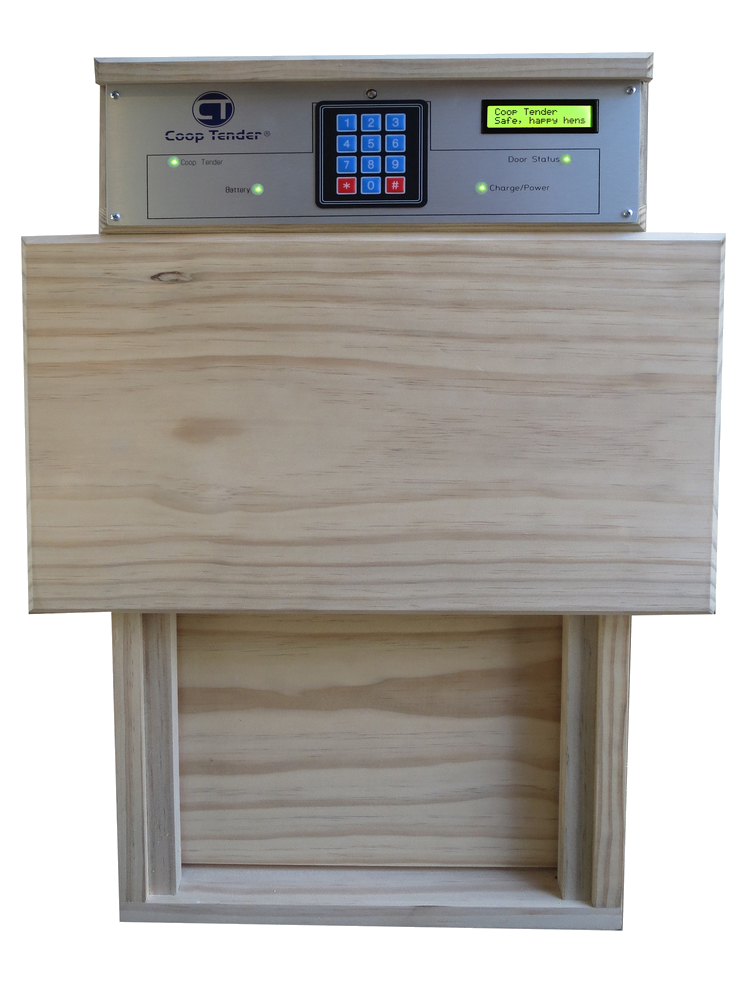
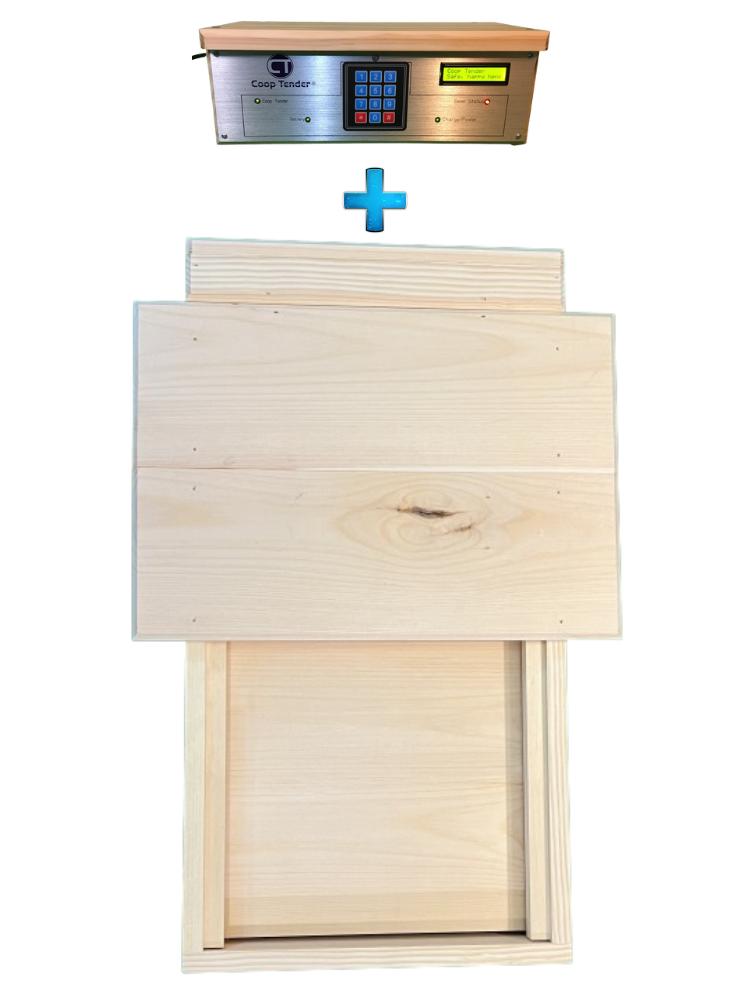
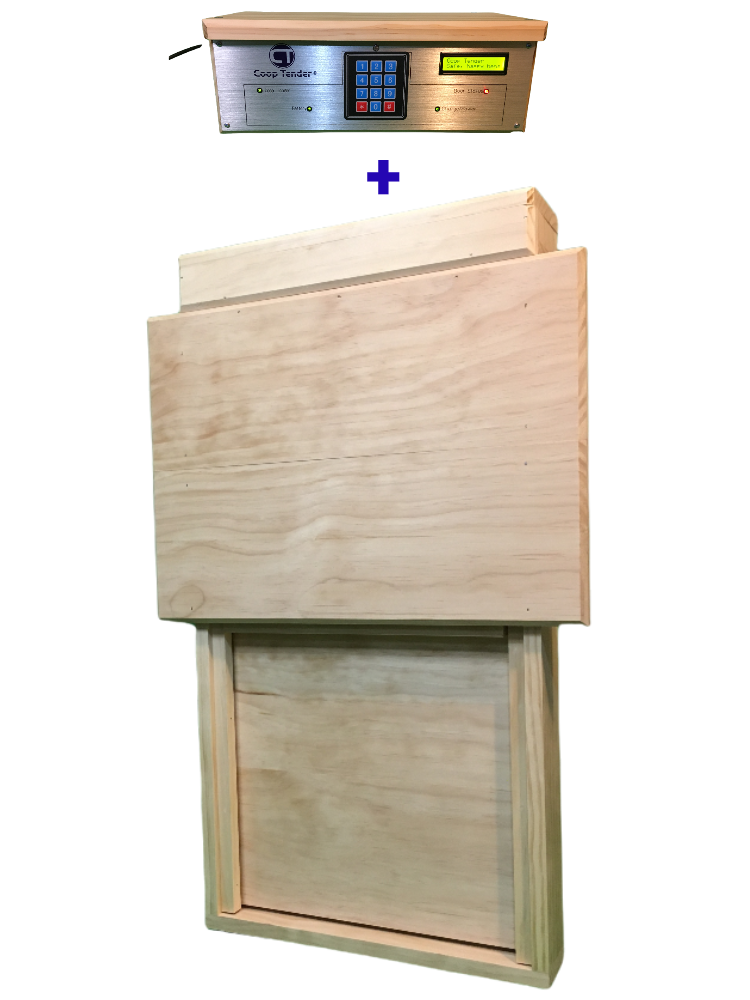
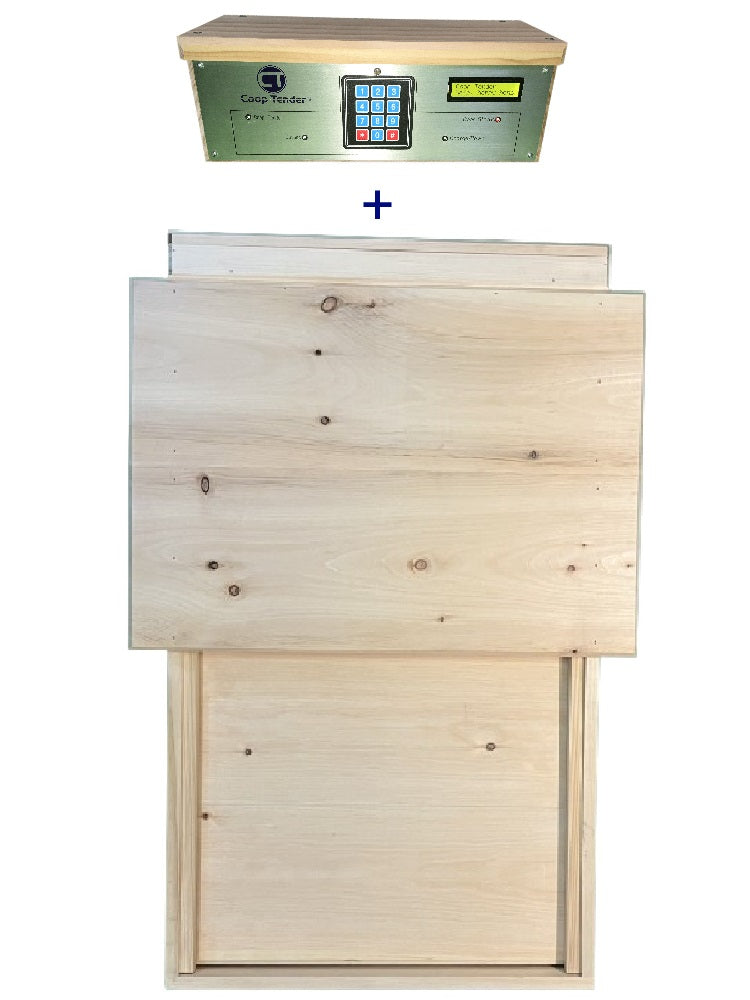
Whether you're setting up your first automatic door or preparing your existing Coop Tender for the season ahead, our team is here to help. Explore our full door lineup below, or reach out with any setup questions.
Leave a comment